
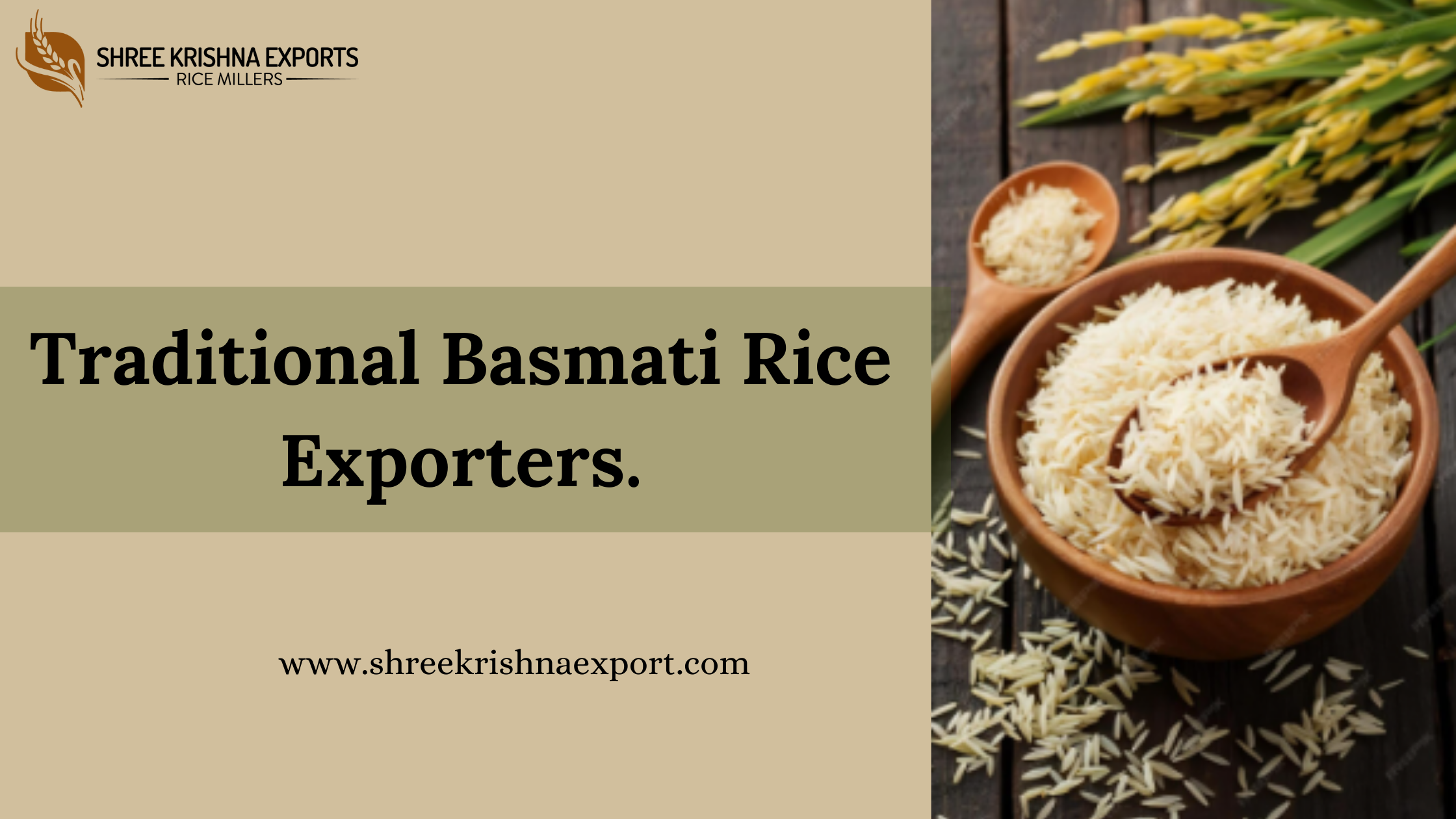
If you want a special in your kitchen, then traditional basmati rice is the one. Not just in India, this rice variety has earned a special place in residential or commercial kitchens across the globe. And its demand grows year by year.
- What makes traditional basmati rice so special?
- Why does the demand grow even in the international market?
- What are the qualities of the rice that set it apart in the market?
Understanding why traditional basmati remains a preferred choice helps explain the continued trust international markets place in experienced Traditional Basmati Rice Exporters.
Unique Aroma That Defines Traditional Basmati
One of the reasons why this rice is always in demand in the global market is the unique aroma that sets it apart. Do note that many traditional Basmati Rice Exporters strive to focus on retaining the natural aroma of the rice through careful cultivation and ageing. This distinctive fragrance is one of the main reasons international buyers prefer traditional basmati.
Excellent Grain Elongation After Cooking
Another reason buyers trust Traditional Basmati Rice Exporters is the ability of the rice to elongate during cooking. It means the grain has the quality to lengthen without breaking. This improves both presentation and volume.
Long, Slender Grain Structure
To enhance the visual appeal of cooked dishes in global markets, exporters focus on supplying rice with naturally long and slender grains.
Fluffy Texture & Non-Sticky
Traditional Basmati Rice dealers and distributors make sure proper processing to maintain a fluffy, non-sticky texture. So, the rice becomes ideal for biryani, pulao, and layered international dishes.
Traditional Cultivation in the Indo-Gangetic Belt
Traditional Basmati Rice Exporters source rice from areas that are popular for authentic basmati cultivation. They analyse the soil and climate of these revisions then contribute directly to the rice’s quality.
Ageing Process Improves Taste and Cooking Performance
Many exporters and local dealers are committed to following controlled ageing practices.
This ageing improves aroma, firmness, and overall cooking consistency.
Low Broken Percentage in Export-Grade Lots
The exporting companies prioritise low broken grain ratios during milling. And the best part is that the rice has a low broken percentage in export-grade lots. This meets the quality expectations of international importers.
High Acceptance Across Global Cuisines
Traditional Basmati Rice Exporters cater to diverse culinary preferences worldwide.
The rice adapts well to Middle Eastern, European, and Asian cooking styles.
Consistent Quality in Bulk Export Shipments
There is no doubt that those who buy in bulk rely on traditional basmati rice exporters. The reason is that they want uniform quality across shipments that is fulfilled by exporters. After all, consistency is crucial for foodservice and private-label brands.
Final Thoughts
The continued global importance of traditional basmati rice is no coincidence. It has unique qualities like natural aroma, long and slender grains, reliable cooking performance, and adaptability across cuisines. These qualities make the rice a trusted choice in international markets.
Traditional Basmati Rice Exporters follow strict sourcing, processing, ageing, and quality control practices to meet global buyer expectations. For example, Shree Krishna Export is committed to exporting the finest quality traditional basmati rice. The company is popular for catering to the demands of the international market by producing traditional basmati rice in bulk quantities.
Looking to source premium-quality traditional basmati rice for your market? Partner with Shree Krishna Export that delivers consistency, compliance, and confidence in every shipment.