
Shree Krishna Exports
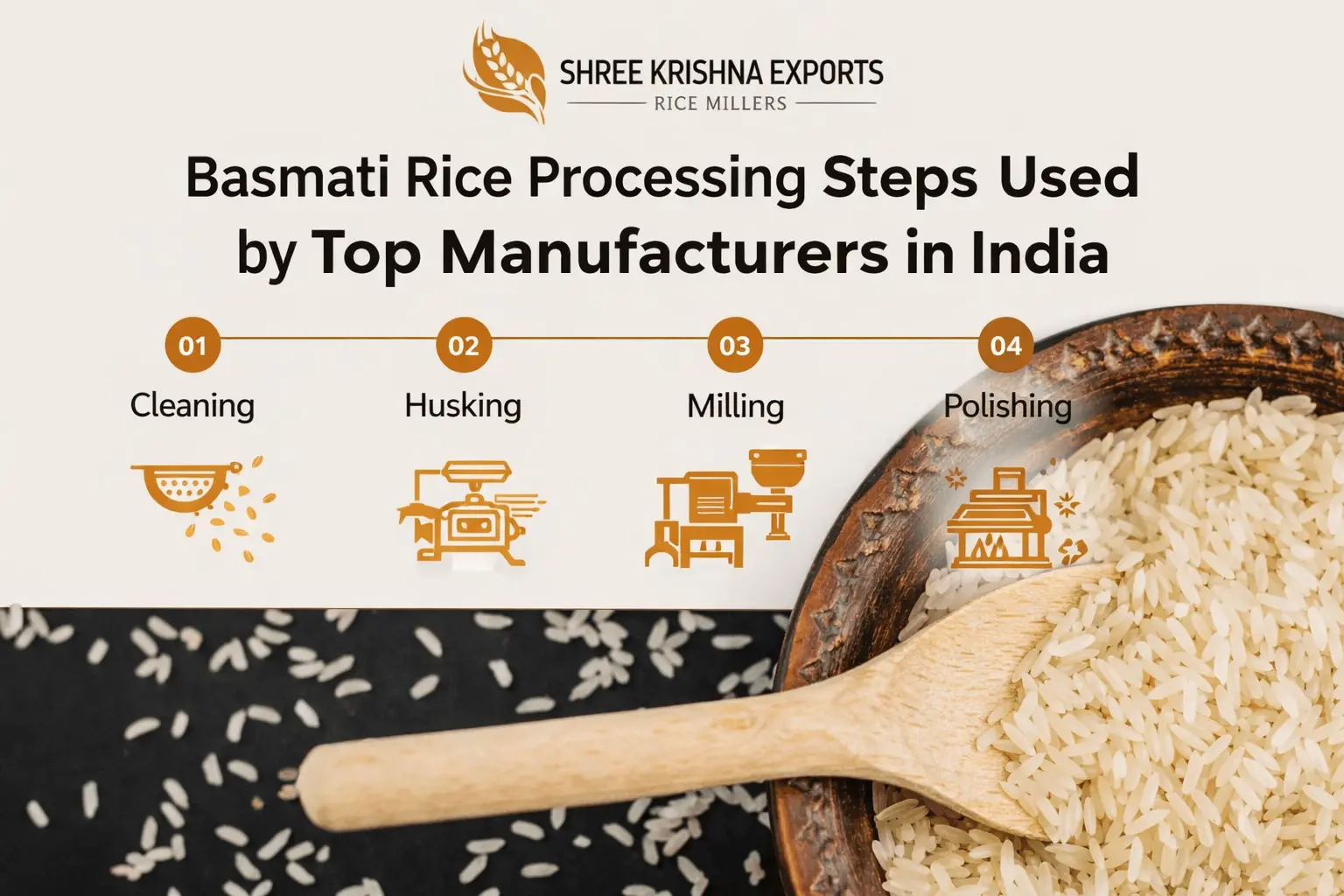
Premium basmati rice is produced with great precision to maintain its quality and authenticity. From careful cultivation to proper aging and right processing, basmati rice manufacturers in India are required to maintain quality control at each step. That is why modern rice mills are combining traditional knowledge along with advanced systems to preserve aroma, grain length, and purity of this rice.
Being one of the trusted manufacturers ourselves, we at Shree Krishna Exports have also invested in improved milling and grading technologies to deliver consistent quality across global markets. We follow refined processing practices to protect the natural characteristics of basmati rice. Through this blog, we are sharing a few modern processing techniques used by most reputed manufacturers of basmati rice.
Modern Processing Techniques Used by Basmati Rice Manufacturers in India
Advanced cleaning and pre-processing technique
Processing of basmati rice starts with removing impurities that may affect grain quality. It starts with carefully sourcing organically produced basmati rice which is then passed through modern cleaning equipment for separating dust, stones, husk, and damaged grains. These advanced systems not only clean the paddy, but they also help maintain hygiene standards while protecting the original grain structure. This advanced cleaning includes:
- Multi-stage pre cleaning to remove foreign particles
- Use of magnetic separators to eliminate any metal fragments
- De stoners are used to separate heavier impurities from rice grains
Modern milling and whitening technology
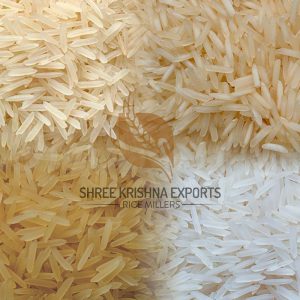
Milling is crucial for shaping the final appearance and quality of basmati rice. Modern rice mills make use of advanced milling machines so that they can reduce grain breakage and maintain uniform polishing across each batch of basmati rice produced. With the help of the right machinery and rice processors, it becomes easier to separate grains properly while preserving their length and fragrance. During the milling process, the outer husk and bran layers are carefully removed while protecting the structure of grains. This helps in getting uniform, clean, and polished basmati rice grain which is highly preferred in the global market.
- Basmati
- Non-Basmati Rice
- Pesticide Free/ Organic Rice
Precision sorting and grading methods
After the milling process, rice grains are passed through precision sorting systems to ensure consistent quality. Top basmati rice manufacturers in India have equipped optical sorters at their manufacturing and processing units with high resolution sensors to identify discolored or broken grains within seconds. This is important as it helps maintain visual uniformity which is a must when exporting basmati rice. With the help of sorting machines rice grains can be easily sorted based on their size, color, and shape.
Controlled aging and storage practices
Once the milling and sorting is done, the main stage is aging of rice is done to improve basmati rice quality. Most importers and buyers prefer well-aged rice due to its stronger aroma and better cooking properties. We at Shree Krishna Exports have modern processing units where we use controlled storage facilities to maintain suitable temperature and moisture levels as that helps protect rice during the aging period. Proper aging of basmati rice helps improving:
- Basmati rice elongation during cooking
- Natural aroma of basmati rice
- Overall texture and taste of basmati rice
Packaging and quality assurance systems
After complete processing of basmati rice, manufacturers focus on its packaging to protect rice during transportation and export. By using modern packaging systems rice is sealed in hygienic conditions while preventing moisture exposure. Considering the bulk requirement, automated weighing and packing machines are used for maintaining accurate packaging. Along with packaging, strict quality checks are conducted before the final dispatch. These inspections ensure that rice meets export requirements and maintains consistency in every shipment.
Conclusion
To export basmati rice of consistent quality, use of advanced processing methods combined with careful handling at every stage is a must. From modern milling, to sorting to proper aging, all these help preserve the unique fragrance and long grain structure of basmati rice. We at Shree Krishna Exports, being one of the leading basmati rice manufacturers in India are using improved technologies to meet global expectations. We follow refined processing practices that protect quality of rice while delivering premium basmati rice to our customers across the world.
FAQ's
Most rice mills make use of modern machines like cleaning machines, de-stoners, milling equipment, optical sorters, graders, and automated packaging systems for processing basmati rice.
Aging of basmati rice enhances its aroma, improves grain elongation, and gives it distinctive cooking quality. All these characteristics of basmati rice have made them a popular choice in the global market.
The basmati rice manufacturers in India conduct multi stage cleaning, precise milling, proper sorting, and better storage conditions to maintain grain quality during different stages of processing.